
Is spending $30,000, $50,000, or even $100,000 on renovations before selling your home really worth it?
It’s a question many Sherman Oaks homeowners face, especially those who have owned their properties for decades. Maybe your kitchen hasn’t been updated since the 1990s. The bathrooms look dated, the flooring needs attention, or the house could use a fresh coat of paint.
You know these improvements would make the property more attractive. But will buyers actually pay enough extra to justify the expense?
The answer isn’t always what homeowners expect.
A renovated property may command a higher selling price, but that doesn’t automatically mean the seller walks away with more money. Renovation costs, carrying expenses, construction delays, and the possibility of additional repairs can quickly reduce the financial benefit.
For homeowners in Sherman Oaks, Encino, Studio City, and the surrounding San Fernando Valley, the decision usually comes down to three options: sell directly to an investor, list the property in its existing condition, or make strategic improvements before putting it on the market.
Let’s break down how each approach works and which one may leave you with the most money.
Should You Renovate Before Selling Your Home?
The short answer is that minor, carefully selected improvements can sometimes make financial sense, while major renovations are often harder to justify when you’re preparing to sell.
The key is understanding the difference between improving a home’s appearance and actually increasing your net proceeds.
Consider two older homes in Sherman Oaks.
The first has an outdated kitchen, older bathrooms, and worn flooring, but the roof, foundation, plumbing, and electrical systems are in reasonable condition.
The second looks similar on the surface but also has significant deferred maintenance, an aging roof, and potentially expensive plumbing issues.
Both properties need work, but the best selling strategy may be completely different.
For the first home, fresh paint, landscaping, updated lighting, and minor cosmetic improvements might be enough to attract a wider pool of buyers.
For the second, investing in cosmetic renovations while leaving major property-condition concerns unresolved could be a poor use of money.
Before spending anything, homeowners should understand their property’s current market value, the likely value after improvements, and what buyers in that particular neighborhood are willing to pay.
Three Ways to Sell an Older Home in Sherman Oaks
There are three main approaches worth evaluating. Each has financial and practical advantages, and none is automatically the best choice.
Option 1: Sell the Home As-Is to a Cash Buyer or Investor
Selling directly to an investor or builder can be appealing when a property requires significant work.
Rather than preparing the home for traditional buyers, the seller negotiates with someone who intends to renovate, redevelop, or otherwise reposition the property.
This approach may be especially relevant for older homes with substantial deferred maintenance, obsolete layouts, or improvements that make a conventional sale more complicated.
The potential advantages include avoiding extensive renovation work, reducing the preparation required before marketing, and possibly negotiating a simpler closing process.
However, there is an important tradeoff.
Investors generally need to purchase properties at prices that account for renovation expenses, holding costs, resale risk, and their desired profit.
That means an investor’s offer may be meaningfully lower than what the property could achieve through conventional marketing.
It is also important to remember that an all-cash offer is not necessarily a guaranteed closing. Sellers should still verify proof of funds, contingencies, deposit terms, and the buyer’s ability to perform.
An off-market sale can make sense when convenience, certainty, or the property’s condition outweighs the possibility of obtaining a higher price through broader exposure.
Option 2: List the Home on the Market in Its Existing Condition
This is an option many homeowners overlook.
A house does not need a newly renovated kitchen, designer bathrooms, or expensive finishes to attract serious buyers.
Sherman Oaks and nearby Valley neighborhoods include buyers who appreciate original architectural details, established landscaping, usable lots, and the opportunity to renovate a property according to their own preferences.
Some buyers would rather purchase an older home at an appropriate price than pay a premium for someone else’s remodeling choices.
By listing a property publicly, sellers can expose it to owner-occupants, renovation-minded buyers, and investors rather than negotiating with only one prospective purchaser.
The important distinction is that selling as-is should not mean neglecting presentation.
A clean home with professional photographs, clear disclosures, realistic pricing, and a well-organized marketing campaign can still make a strong impression.
It may be worth addressing inexpensive maintenance issues, removing clutter, improving landscaping, and thoroughly cleaning the property without committing to an extensive renovation.
The challenge comes when property condition affects buyer financing, insurance, or willingness to proceed after inspections.
For that reason, homeowners should understand the condition of the property before listing. My article on whether to get a pre-listing inspection before selling in Los Angeles explains when an inspection may help sellers prepare for negotiations.
Option 3: Make Strategic Improvements Before Listing
For some properties, a modest renovation budget can improve presentation enough to justify the investment.
The emphasis should be on strategic improvements rather than a complete remodel.
A homeowner might consider repainting interior walls, replacing worn carpeting, updating outdated light fixtures, refinishing existing hardwood floors, improving landscaping, or repairing noticeable cosmetic defects.
These improvements can make a property look cleaner, brighter, and more appealing without requiring months of construction.
The 2025 Remodeling Impact Report from the National Association of REALTORS® identified painting and roofing among the projects real estate professionals frequently recommend to sellers. It also found that expensive remodeling projects do not necessarily recover their full cost at resale.
That is an important distinction.
A beautiful new kitchen might help sell a property, but the additional selling price may not cover the full renovation bill.
The best improvements are those that address the property’s most noticeable weaknesses, appeal to likely buyers, and can be completed at a cost supported by comparable sales.
The Real Numbers: Selling As-Is vs. Renovating

Let’s look at a hypothetical single-family home in Sherman Oaks.
Imagine a three-bedroom property that has been owned by the same family for many years. The house is structurally sound but has an outdated kitchen, older bathrooms, worn flooring, and a yard that needs attention.
The seller is considering three strategies.
For illustration, assume the following possible sale prices, expenses, and concessions.
| Investor Sale | On-Market As-Is | Light Renovation | |
|---|---|---|---|
| Sale price | $1,000,000 | $1,080,000 | $1,140,000 |
| Selling expenses* | $50,000 | $54,000 | $57,000 |
| Renovation expenses | $0 | $0 | $35,000 |
| Negotiated buyer concessions | $0 | $15,000 | $5,000 |
| Additional holding costs | $0 | $0 | $6,000 |
| Estimated proceeds | $950,000 | $1,011,000 | $1,037,000 |
These are hypothetical figures, not actual Sherman Oaks transactions or current contractor quotes. Selling expenses are modeled uniformly at 5% solely for comparison. Actual expenses depend on negotiated brokerage compensation, escrow and title charges, applicable transfer taxes, and transaction terms. The estimates exclude mortgage payoffs, income taxes, and other seller-specific obligations.
At first glance, the renovated property appears to be the obvious winner.
It sells for $60,000 more than the on-market as-is property.
But after accounting for the $35,000 renovation, additional carrying costs, higher selling expenses, and assumed buyer concessions, the seller’s advantage is approximately $26,000.
That may still be a worthwhile outcome. But consider the additional time, effort, and construction risk required to obtain it.
What happens if the renovation costs another $15,000? What if the work takes longer than expected? Or the property sells for $25,000 less than projected?
In this particular illustration, the renovated home would need to sell for approximately $1,113,000 just to produce roughly the same proceeds as the on-market as-is sale, assuming all other expenses remain unchanged.
This is why I believe sellers should evaluate the likely net proceeds rather than focusing entirely on the highest potential selling price.
Which Home Improvements Are Worth Making Before Selling?
Not all repairs and renovations serve the same purpose.
Some improvements are intended to make a house more visually appealing. Others address conditions that may discourage buyers or complicate the transaction.
Understanding the difference can prevent unnecessary spending.
1. Interior Painting and Cosmetic Repairs
Fresh paint can change the appearance of a home without requiring major construction.
Neutral, cohesive colors can make rooms feel brighter and help buyers focus on the property’s layout rather than outdated finishes.
Other relatively modest improvements worth evaluating include repairing damaged drywall, replacing broken fixtures, cleaning or replacing heavily worn carpet, and correcting minor cosmetic defects.
These are not guaranteed to produce a positive return, but they are generally easier to estimate and control than a full renovation.
2. Landscaping and Exterior Presentation

A home’s exterior creates the first impression.
Overgrown landscaping, dead plants, damaged walkways, and a neglected front entrance can make buyers question the condition of the rest of the property before they even walk inside.
For a home in Sherman Oaks or Encino with attractive outdoor space, simple landscaping improvements may help buyers appreciate an important part of the property’s appeal.
The goal is not necessarily to install expensive landscaping or build a new outdoor entertainment area.
Often, trimming vegetation, cleaning hardscape, repairing damaged surfaces, and improving the entrance can make a noticeable difference.
3. Kitchens and Bathrooms
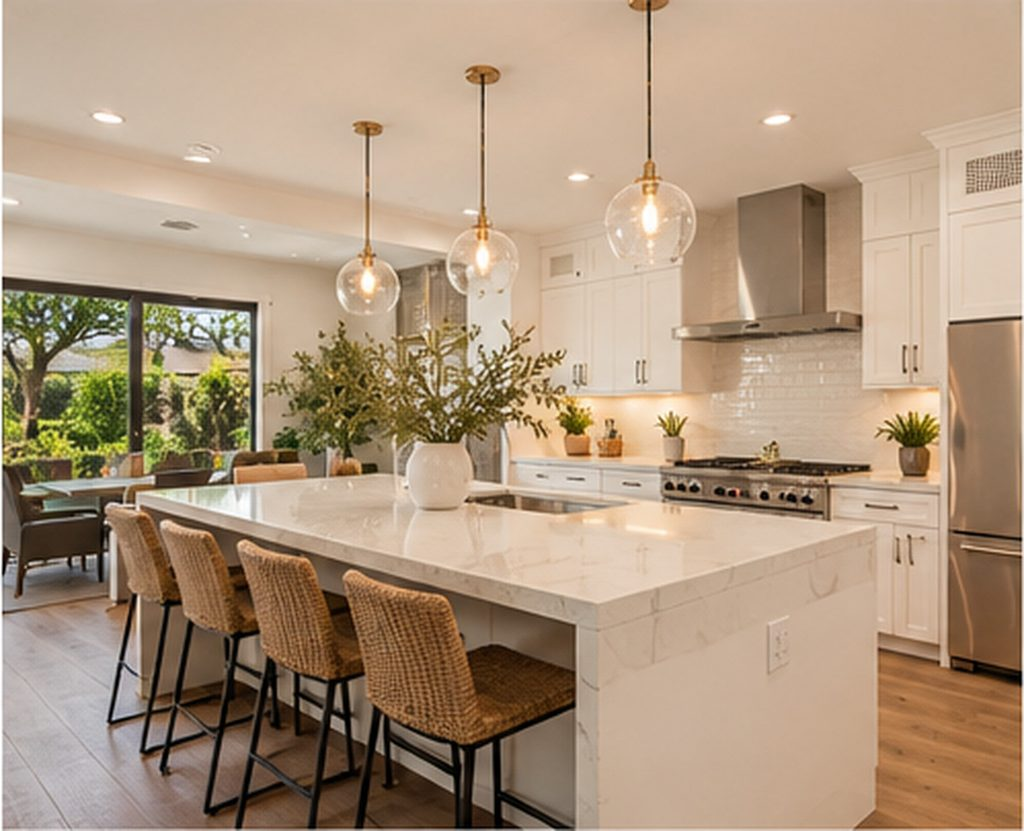
Kitchens and bathrooms are among the first areas buyers examine.
They can also be among the most expensive rooms to renovate.
Before replacing cabinets, countertops, appliances, or plumbing fixtures, sellers should compare the cost with the actual price difference between updated and unrenovated homes in their neighborhood.
A minor kitchen refresh may be reasonable when existing cabinets are functional and the layout works.
A complete renovation involving new cabinetry, plumbing relocation, electrical modifications, and premium finishes is a very different financial decision.
The same applies to bathrooms.
If a bathroom is functional but dated, it may be more economical to sell the property with an appropriate adjustment in price rather than invest in a complete redesign.
4. Roofing, Plumbing, Electrical, and Structural Concerns
Major property-condition issues require a different analysis.
An aging roof, water intrusion, damaged sewer line, electrical safety concerns, or foundation movement can affect buyer confidence and potentially create lending or insurance complications.
These problems should not be treated as ordinary cosmetic improvements.
In some situations, addressing a clearly identified defect before listing may reduce uncertainty and improve the pool of buyers able to purchase the property.
In others, a seller may be better served by obtaining professional evaluations, disclosing the condition, and allowing buyers to account for the necessary work in their offers.
The appropriate decision depends on the severity of the issue, the cost of correction, and any applicable lender, insurance, or legal requirements.
If repairs become part of the negotiation, my guide to seller credits versus repairs in Los Angeles explains the practical differences.
What If Your Sherman Oaks Home Has Unpermitted Work?
Older homes sometimes contain improvements that do not match their original plans or property records.
Examples can include converted garages, enclosed patios, additional bathrooms, room additions, and altered living spaces.
Before beginning a renovation or listing the property, sellers should determine whether any significant improvements have unresolved permit questions.
A renovation project can become considerably more complicated if previously completed work requires additional investigation, permits, corrections, or inspections.
Unpermitted work also does not automatically mean a home cannot be sold.
The appropriate strategy depends on the type of work, safety and code issues, the property’s jurisdiction, and how buyers and lenders may evaluate the improvements.
For a more detailed explanation, read my article on selling a house with unpermitted work in Los Angeles.
Does Selling As-Is Mean You Don’t Have to Make Disclosures?
No.
One of the biggest misconceptions about selling a property as-is is that the seller is no longer responsible for disclosing known material problems.
In California, an as-is sale generally means the seller is not agreeing in advance to make repairs. It does not eliminate applicable disclosure obligations.
Under California Civil Code Section 1102.1, the required Transfer Disclosure Statement cannot simply be waived because the property is sold as-is.
Sellers should provide accurate disclosures and follow the requirements applicable to their particular transaction. Certain transfers have statutory exemptions, so unusual situations should be reviewed with an appropriate legal professional.
A buyer may also request repairs, concessions, or a price reduction following inspections, even when the property was marketed in its existing condition. Whether the seller must agree depends on the contract and applicable law.
Clear disclosures and an appropriate pricing strategy can help reduce misunderstandings before escrow.
Why Pricing Matters More Than Renovating
One of the most expensive mistakes a homeowner can make is spending a significant amount improving a property and then assuming buyers must reimburse every dollar.
The market doesn’t necessarily work that way.
A buyer compares your home with other available properties, recent sales, location, lot size, floor plan, condition, and the overall value being offered.
A beautifully renovated home can still sit on the market if the asking price is too aggressive.
This is especially important in Sherman Oaks, where the differences between neighborhoods, streets, lot characteristics, and home styles can be substantial.
In my earlier analysis of four Sherman Oaks homes that required significant price reductions before selling, I examined how even desirable properties needed pricing adjustments before finding buyers.
The lesson is not that renovations are unnecessary.
It’s that renovations cannot substitute for accurate market positioning.
Before approving a renovation budget, compare the property with recent sales in both updated and original condition. Those comparisons should account for meaningful differences in location, size, lot characteristics, permitted improvements, and overall quality.
Also consider the competition buyers will see when your home first enters the market.
As I explain in what sellers get wrong about the first two weeks on the market, the initial presentation and pricing strategy deserve careful attention.
How to Decide Whether Renovating Is Worth It
Before spending money on improvements, I recommend answering five practical questions.
1. What could the home realistically sell for today?
Start with recent comparable sales of properties in similar condition. An online estimate alone may not adequately reflect the home’s layout, condition, lot characteristics, or location.
2. What could the home sell for after renovations?
Look at actual completed sales, not simply the asking prices of beautifully renovated properties. Be careful about attributing every price difference to the renovations themselves.
3. What will the improvements really cost?
Obtain written estimates from qualified contractors. Account for any permits, contingencies, material changes, and costs that could arise during construction.
4. How much additional time will the work require?
Renovation delays may create additional mortgage payments, property taxes, insurance expenses, utilities, or other carrying costs. They can also postpone a planned move.
5. What will be left after everything is paid?
Compare the expected proceeds under each strategy after selling expenses, renovation spending, likely concessions, and incremental holding costs.
This final comparison is often more useful than estimating the highest possible sale price.
For homeowners who are also purchasing another property, the timeline becomes even more important. My guide on whether to sell your Los Angeles home before buying another one covers that decision in greater detail.
Frequently Asked Questions
Can I sell an outdated house in Sherman Oaks without remodeling?
Yes. Homes with dated kitchens, older bathrooms, and original finishes can still attract buyers when priced and marketed appropriately. The property’s condition, location, financing eligibility, and buyer demand will influence the best approach.
Is it better to sell a fixer-upper to an investor or list it on the MLS?
It depends on the offers available and the seller’s priorities. An investor sale may offer convenience or a simpler process, while an MLS listing can provide exposure to a broader pool of buyers. Compare actual net offers, contingencies, expenses, and closing certainty rather than assuming either route is superior.
Should I replace my roof before selling?
Not automatically. Have a qualified professional evaluate the roof’s condition and whether any repairs are necessary. Consider potential insurance, financing, inspection, and negotiation issues before authorizing a major replacement.
How much should I spend fixing up my house before selling?
There is no universal amount. A home that needs painting and minor repairs may justify a modest budget. A property with significant deferred maintenance may require an entirely different strategy. Spending should be supported by the likely increase in net proceeds, not just the hope of a higher sale price.
Will a renovated house always sell faster?
No. Renovation quality, buyer preferences, pricing, market conditions, location, and competition all influence how quickly a property sells. An attractively renovated property that is overpriced may take longer to sell than an appropriately priced home in original condition.
Before You Spend Money, Find Out What Your Home Is Worth
If you’re considering selling your home in Sherman Oaks, Encino, Studio City, or another part of the San Fernando Valley, you don’t necessarily need to begin by hiring a contractor.
Start by understanding what your property could sell for in its current condition.
From there, compare the possible financial benefits of making improvements with the actual costs and risks involved.
Some homes benefit from a relatively small amount of preparation. Others may be better positioned for sale without a major renovation.
The goal is not simply to achieve the highest selling price. It’s to make an informed decision that protects your equity and produces the best practical outcome.
I’m Jacob Lavian, a Los Angeles real estate professional with more than a decade of experience. If you’re evaluating your options, I can help you understand your home’s market position and compare potential selling strategies.
Request Your Los Angeles Home Value Estimate
Or call/text (310) 346-4905 to discuss your property.
This article provides general real estate information and is not legal, tax, construction, or financial advice. All illustrated financial scenarios are hypothetical. Actual values, renovation costs, disclosures, and transaction requirements vary by property and circumstances.