In Sherman Oaks, sellers can still get deals done — but these four April closings make one thing pretty clear: buyers were not rewarding aggressive pricing just because a home sat in a desirable pocket. Different streets, different price points, different styles, same outcome. The number had to come down before the market finally said yes.
That is what makes these sales worth breaking down. They were not random houses in weak locations. One was a gated architectural home south of the boulevard in Prime Sherman Oaks. Another was a single-level pool home also marketed south of the boulevard with easy Westside access. One sat in Chandler Estates. Another was described as being in one of Sherman Oaks’ more desirable pockets. In other words, these were strong Sherman Oaks offerings on paper. The problem was not that buyers vanished. The problem was that the original prices were too optimistic.
If you are thinking about selling in the area, this is exactly why pricing strategy, market positioning, and neighborhood context matter from day one. And if you want a broader sense of how I look at local value, property presentation, and deal strategy, you can also read more about my approach or explore my Los Angeles real estate website.
1) 14622 Valley Vista Blvd — Prime Sherman Oaks, South of the Boulevard
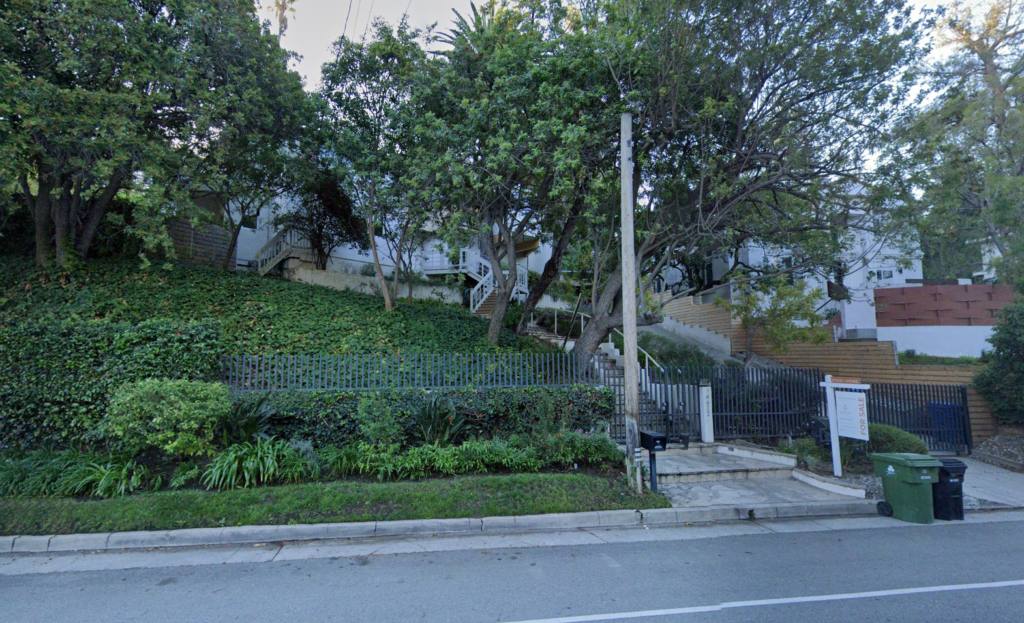
This was not some throwaway listing in a compromised location. It was marketed as a gated architectural home in Prime Sherman Oaks, situated south of the boulevard, perched above the street on a rare double lot, with a pool, spa, waterfalls, and city-light views. It had the kind of setting and presentation that should have supported strong buyer interest from the start.
But the pricing path tells the real story. The house hit the market at $2.9 million on April 17, 2025. It then dropped to $2.75 million, then $2.495 million, then $2.349 million, and finally sold on April 8, 2026 for $2.12 million. That is roughly $780,000 below the original asking price. It also sold at about $790 per square foot, compared with an original ask around $1,081 per square foot. It took nearly a full year to get from original listing to closing. That is not a small correction. That is the market forcing a major reset.
For sellers in Sherman Oaks, this is the kind of example that matters. Even a visually strong, south-of-the-blvd property with a unique lot and strong presentation still had to come way down before a buyer stepped in. That is exactly why realistic positioning matters, whether you are selling a hillside architectural or another property type entirely. For more on how I think about value and market presentation, visit my real estate services page.
2) 15936 Valley Wood Rd — South of the Boulevard, Close to the Boulevard and Westside Access
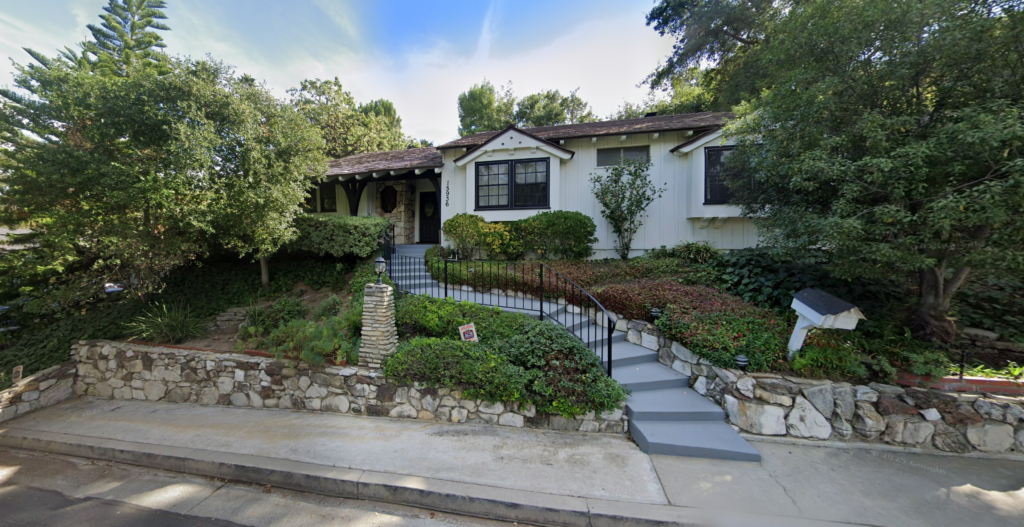
This one was also in a strong Sherman Oaks setting. It was described as a south of the boulevard pool home on an oversized lot with a private retreat feel, while also being close to the boulevard and convenient for Westside access. So again, the issue was not that the home lacked location appeal. It was that the pricing still had to meet the market.
The property came out on December 16, 2025 at $2.6 million. From there it was cut to $2.525 million, then $2.495 million, then $2.399 million. Even after all that, it sold on April 21, 2026 for just $1.85 million. That is about $750,000 below the original ask. More striking, the closing price came in 22.9% below the final listed price. It sold at roughly $685 per square foot. So even after multiple downward moves, the market still pushed the seller materially lower.
This is one of the clearest signs that a price reduction alone does not automatically solve a pricing problem. A home can still be reduced and still be out of sync with what buyers are willing to pay. If you are looking at Sherman Oaks values and trying to interpret what active buyers really care about, that is the lesson here. You can also explore my Los Angeles real estate market coverage for more local context.
3) 13845 Magnolia Blvd — Chandler Estates
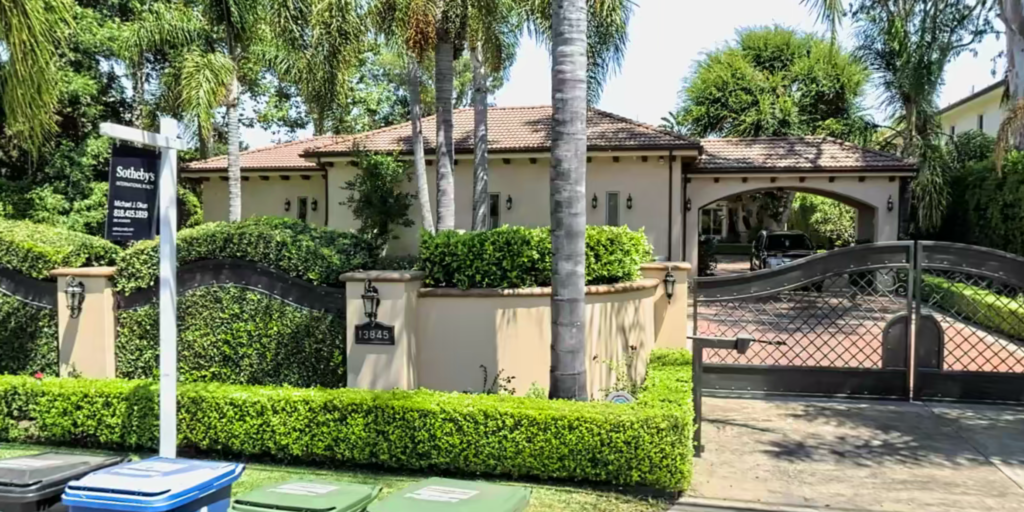
This one sits in Chandler Estates, one of the better-known Sherman Oaks neighborhoods. The property itself was positioned as a gated contemporary Spanish estate on a lot of more than 29,000 square feet. So once again, this was not a weak product in a weak location. It had neighborhood recognition, scale, and a presentation designed to support a premium number.
It first hit the market on June 12, 2025 at $5.1 million. Then came the reductions: $4.899 million, $4.699 million, and $4.499 million. The listing was later removed, then brought back on February 18, 2026 at $4.1 million. It finally sold on April 24, 2026 for $4.05 million. That puts it roughly $1.05 million below the original asking price. The price per square foot moved from around $771 per foot at the initial list to about $613 per foot at the sale. This was the biggest haircut of the group.
That matters because sellers often assume stronger neighborhoods create more room for aggressive pricing. Sometimes they do. But Chandler Estates did not protect this one from a long repositioning process. The market still forced the number down. If you want to see how I think about neighborhood-driven pricing and strategy across Los Angeles, take a look at my background and approach.
4) 5003 Mammoth Ave — Desirable 91423 Pocket of Sherman Oaks
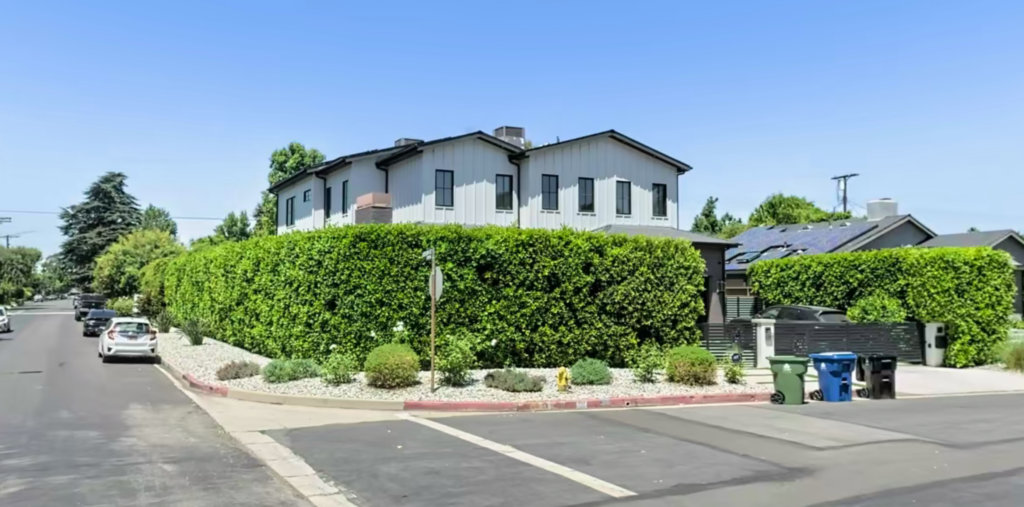
This property was described as sitting on a corner lot in one of Sherman Oaks’ more desirable pockets. It was marketed as a gated modern Cape Cod with six bedrooms, six-and-a-half baths, an ADU, a pool, and multiple entertaining spaces. So just like the others, the listing checked a lot of boxes that sellers usually rely on when trying to justify a strong opening number.
The home listed on October 21, 2025 at $3.85 million. From there it dropped to $3.595 million, then to $3.395 million, and finally sold on April 15, 2026 for $3.395 million. That means it still needed about $455,000 in total reductions before a buyer stepped in. It also moved from roughly $919 per square foot at the original list to about $810 per square foot at closing. This was the cleanest of the four because once it hit the right number, it closed there. But even this one still had to come down materially before the market accepted it.
That makes this sale useful in a different way. It shows that a reduction is not always a sign of weakness if the seller ultimately uses it to find the clearing price. The bigger mistake is pretending the market will eventually bend to the first number. If you are evaluating Sherman Oaks or nearby neighborhoods and want a strategy grounded in what buyers are actually doing, you can learn more through my property pricing and representation services.